Tuesday, 13 October 2026


Image source: Public Domain
Martus Solutions announced an expansion of its AI capabilities designed to make financial data more accessible and actionable for mission-driven organizations.
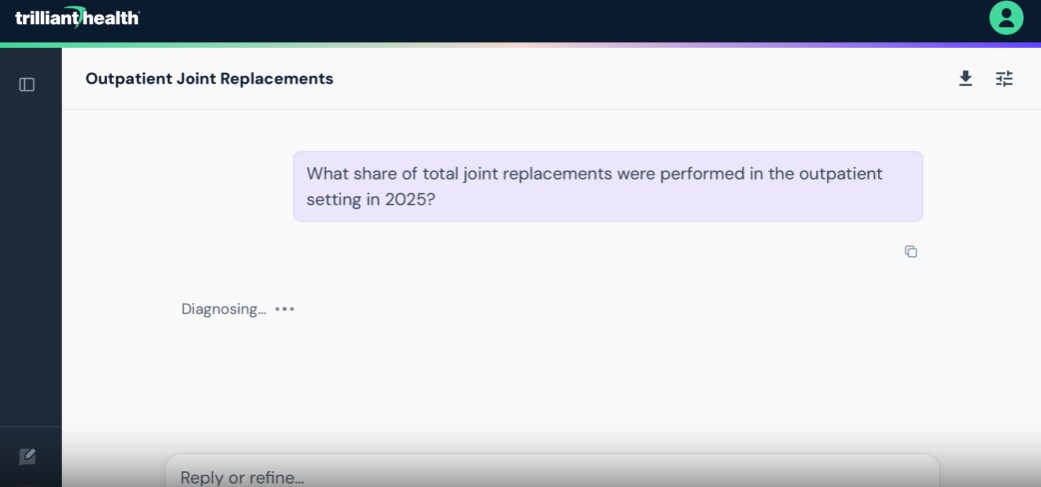
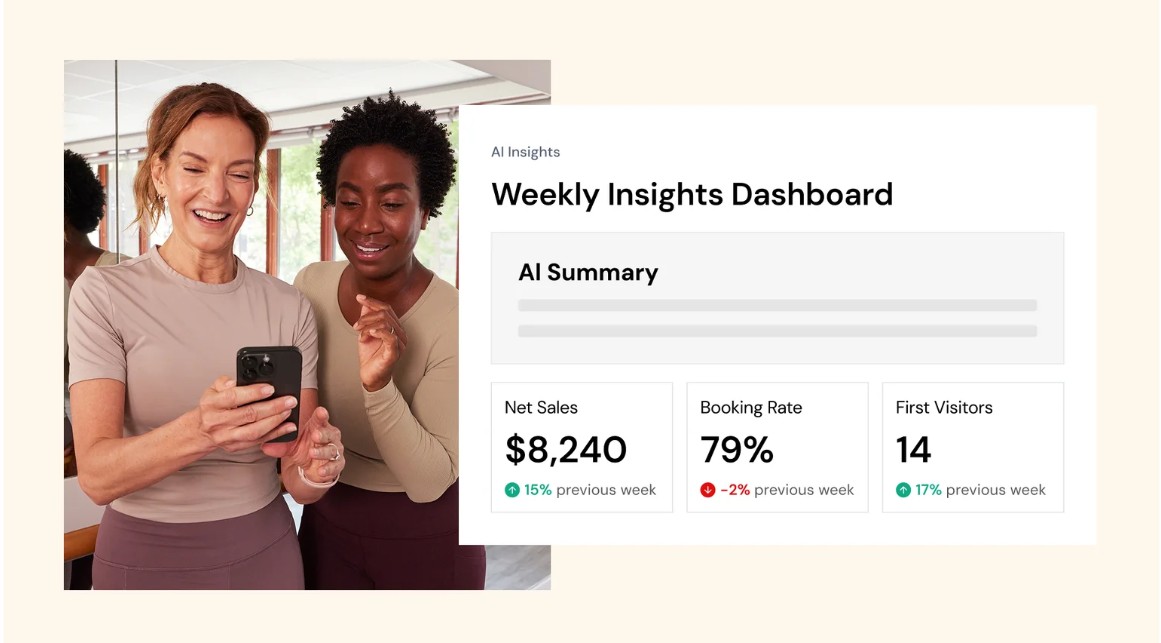
At its annual user conference, Martus Momentum, the company introduced Martus Intelligence, its AI-powered capability designed to deliver real-time financial insights through natural language. Delivered through an embedded assistant known as "Smarty," the functionality enables users to ask questions about their budgets, forecasts, and financial performance and receive immediate, accurate answers.
Unlike traditional reporting tools, which require users to build and interpret reports, Martus Intelligence allows users to interact directly with their data using natural language, and securely returns the results in the form of summaries, visualizations, and actionable insights. This approach helps users quickly identify trends, understand key drivers, and surface the most important information without complicated analysis.
"Martus' core mission has always been making financial data more accessible, not just for finance teams, but for every leader in an organization," said Bill Cox, Founder and CEO. "Martus Intelligence is a practical step forward, helping leaders at every level can make more informed decisions with confidence and clearly see the impact on their mission."
What is Martus Intelligence?
Martus Intelligence represents the next step in the company's AI evolution, bringing together multiple AI-driven capabilities within the Martus platform:
Smarty enabled users to interact with budgets, forecasts, and financial performance using natural language—delivering immediate, contextually accurate answers without requiring users to navigate reports or understand complicated accounting terminology. Users can ask questions such as What was my net revenue last year? or Which departments are driving the largest budget variances? and receive on-demand insights.
By removing the need to interpret reports or understand financial jargon, Martus empowers non-finance leaders to engage more directly with financial data. This shift enables faster, more informed decision-making across the organization and helps ensure that resources are aligned more closely with strategic priorities and mission outcomes. This reduces the risk of delayed or misinformed decisions, helping organizations act with greater clarity in the moment rather than in hindsight.
Additional Product Enhancements
In addition to its AI expansion, Martus announced several product enhancements and integrations designed to further streamline financial workflows and improve flexibility for customers, including:
Martus has helped more than 1,300 organizations – including 950 Sage customers – eliminate financial bottlenecks through its user-friendly budgeting, planning and reporting solution, resulting in up to 50% faster budgeting cycles, stronger collaboration across departments, and clearer visibility into how financial decisions impact organizational outcomes. As the company continues to expand its ERP integrations, product features, and AI capabilities, it is building on that foundation by making financial data not just accessible, but clear and actionable.