Tuesday, 13 October 2026


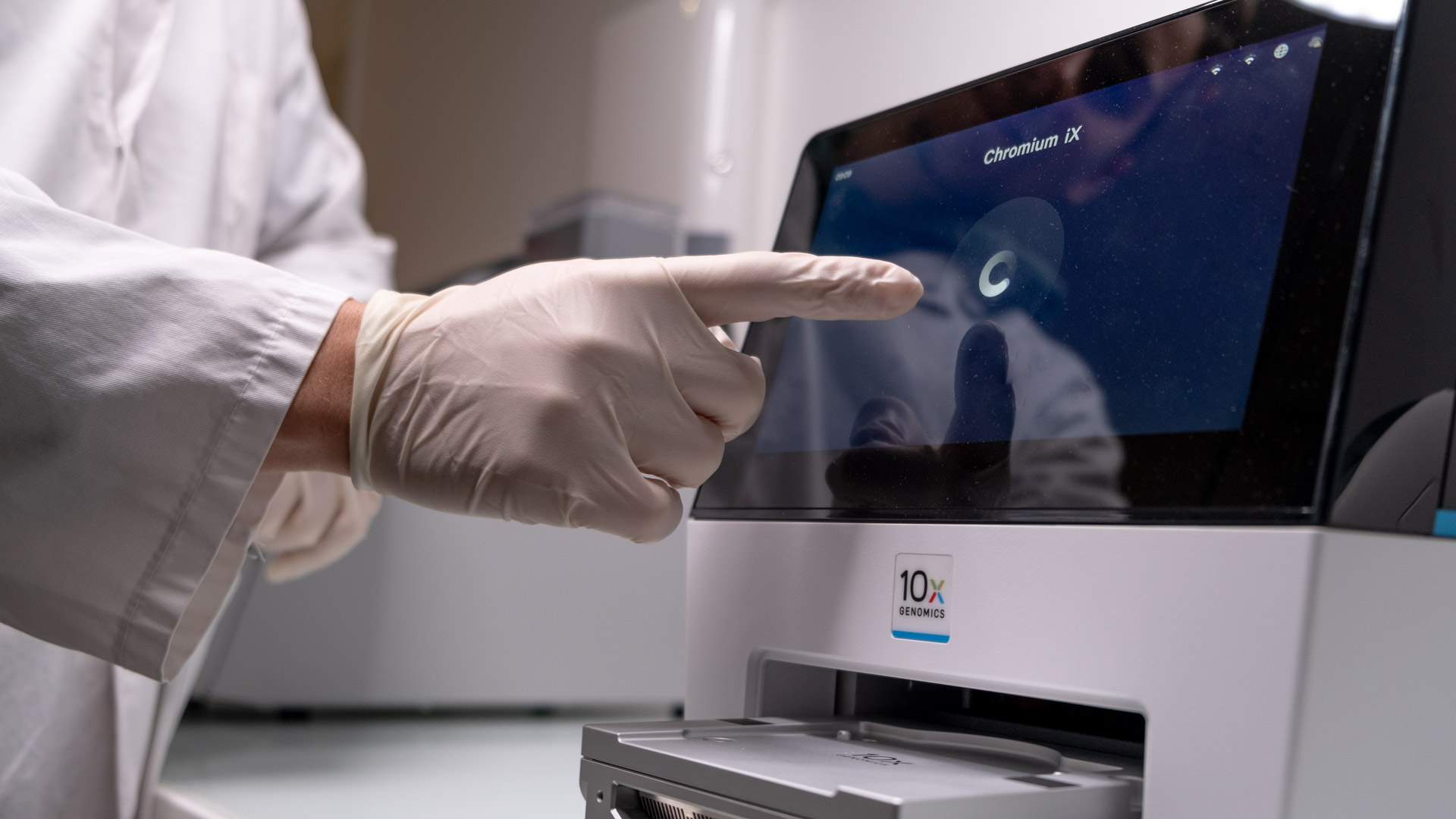
Image source: Public Domain
10x Genomics, Inc. (Nasdaq: TXG), a leader in single cell and spatial biology, announced a collaboration with the Cancer Research Institute (CRI) to advance the frontiers of immuno-oncology through high-resolution molecular data and AI. The multi-phase project will combine 10x's Chromium single cell and Xenium spatial platforms with advanced AI to build one of the world's most comprehensive translational and preclinical immuno-oncology datasets, spanning more than 20,000 samples, to reveal how the immune system recognizes and responds to cancer and to inform smarter treatment and prevention strategies for the future.
The initiative will begin with a pilot phase, supported by leading researchers at some of the world's top immuno-oncology laboratories, including John Wherry, Ph.D. (University of Pennsylvania), Ansuman Satpathy, M.D., Ph.D. (Stanford University) and Andrea Schietinger, Ph.D. (Memorial Sloan Kettering Cancer Center). Together, they intend to generate approximately 3,000 samples and analyze them using 10x's Chromium and Xenium platforms, which were selected for this project because they enable generation of large-scale, high-quality datasets with the resolution, consistency and throughput required for AI-driven immuno-oncology analyses. These pilot datasets will be used to benchmark early AI models and determine which cellular and microenvironmental features are most predictive in preclinical settings.
Following the pilot, the full project phase will expand to a broader network of laboratories, dramatically increasing the scale of sample generation across sites. To support this scale, CRI will incorporate 10x's Chromium Flex single cell assay, purpose-built for ultra high-throughput studies, to profile more than 500 million cells.
CRI will use this integrated dataset to uncover mechanisms of immune response and resistance, refine and improve existing immuno-oncology treatments, identify opportunities for new therapeutic strategies and lay the groundwork for future vaccine discovery. Together, this work will deepen understanding of how to more effectively harness the immune system to prevent and treat cancer.
"At CRI, we've long focused on the three pillars of People, Biology, and Data. Now, with 10x Genomics, we're further delivering on our vision for Data by building the kind of high-resolution immune atlas that can redefine how cancer is prevented and treated. This collaboration brings 10x's extraordinary platforms together with CRI's singular mission and global research community to create insights that simply wouldn't exist otherwise," said Alicia Zhou, Ph.D, Chief Executive Officer of CRI.
"From the very beginning of 10x, we believed that deeply understanding biology at its most fundamental levels - cell by cell, in spatial context and at massive scale - would unlock breakthroughs that would transform human health," said Serge Saxonov, Chief Executive Officer and Co-founder of 10x Genomics. "Progress in immuno-oncology requires deciphering the mechanisms that shape therapeutic response. Partnering with CRI allows us to map these immune behaviors in unprecedented detail and build the scientific foundation for the next generation of immunotherapies and vaccines, bringing us closer to a future where cancer can become a thing of the past."
This initiative builds on CRI's long-standing approach of funding, connecting and accelerating immunotherapy discovery, from foundational biology to translational science and clinical application. It also further extends CRI's legacy of leadership in the field, including support for the studies that led to the HPV vaccine Gardasil®, one of the first cancer-preventive vaccines, and represents the next evolution of CRI's mission of a world immune to cancer by fueling the discovery and development of powerful immunotherapies for all cancers.