Sunday, 26 July 2026

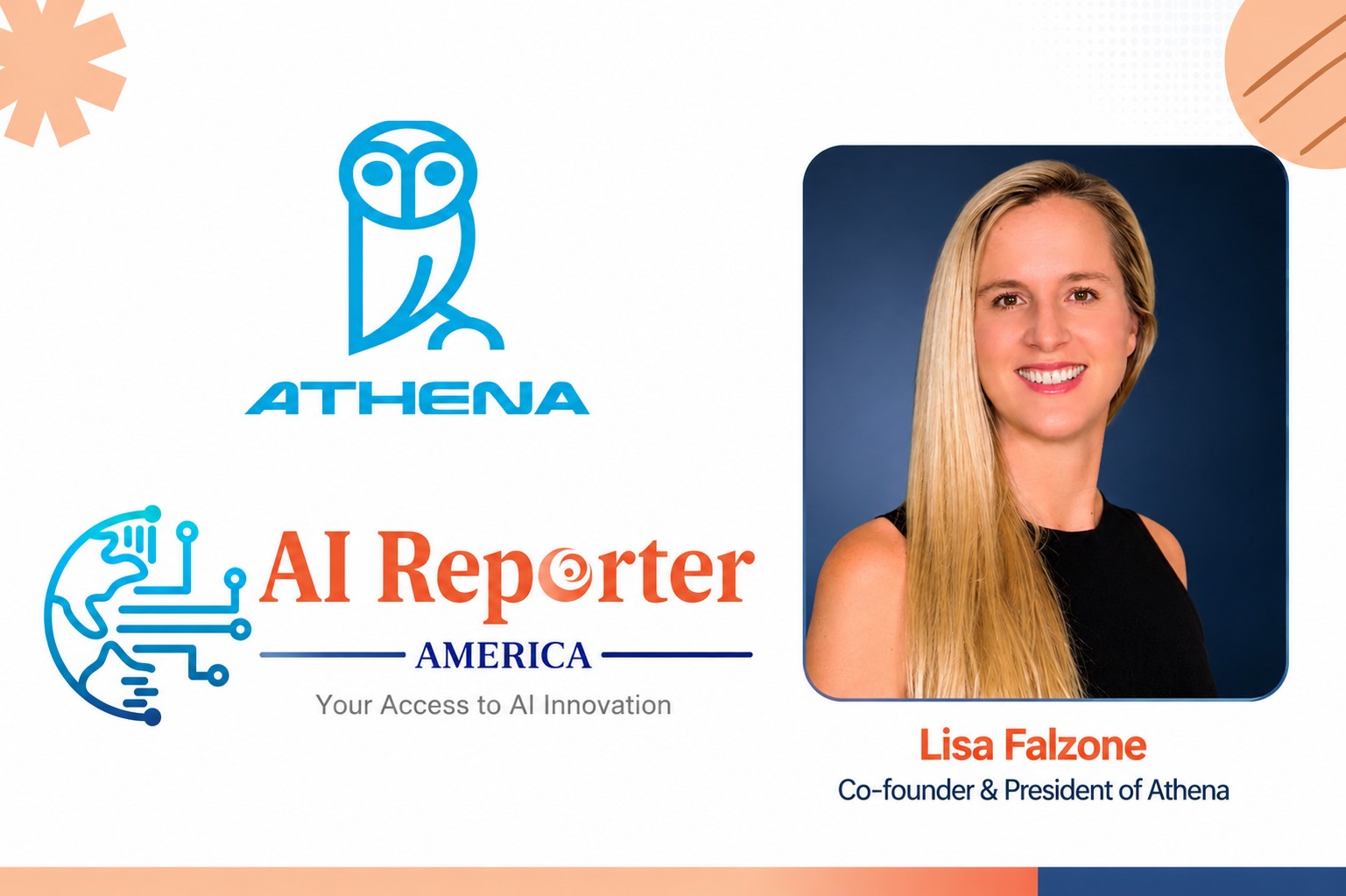
As hospitals worldwide face rising incidents of workplace violence, healthcare leaders are seeking security solutions that safeguard people without disrupting care. Athena Security has emerged as one of the pioneers in AI-driven weapons detection, combining artificial intelligence, computer vision and advanced sensors to identify genuine threats while reducing unnecessary screening delays.
In this exclusive interview with AI Reporter America, Lisa Falzone, Co-founder and President of Athena Security, explains how AI is reshaping hospital security, what makes adoption difficult, and why the future of healthcare protection will be proactive rather than reactive.
Healthcare workers face an alarming rise in workplace violence. Hospitals are expected to remain open and welcoming, yet they also need to protect staff, patients and visitors from increasingly sophisticated threats. Traditional metal detectors create long lines, require significant staffing, and often generate false alarms that slow everyone down.
We developed Athena Security's AI-powered weapons detection system because hospitals deserve a solution that improves safety without turning the front entrance into an airport checkpoint. Our goal is to help healthcare organisations detect real threats while preserving the compassionate experience patients expect when they arrive for care.
AI makes security more intelligent and far less intrusive. Rather than treating every metal object as a threat, our system analyses the size, shape, density and context of items to distinguish everyday belongings from potential weapons.
That distinction changes the experience at the entrance. Patients, visitors and staff can move naturally through screening with fewer unnecessary stops, while security teams receive focused alerts on higher-risk items. The result is stronger protection with a smoother arrival.
Traditional screening technology was designed to detect metal. Athena was designed to identify weapons.
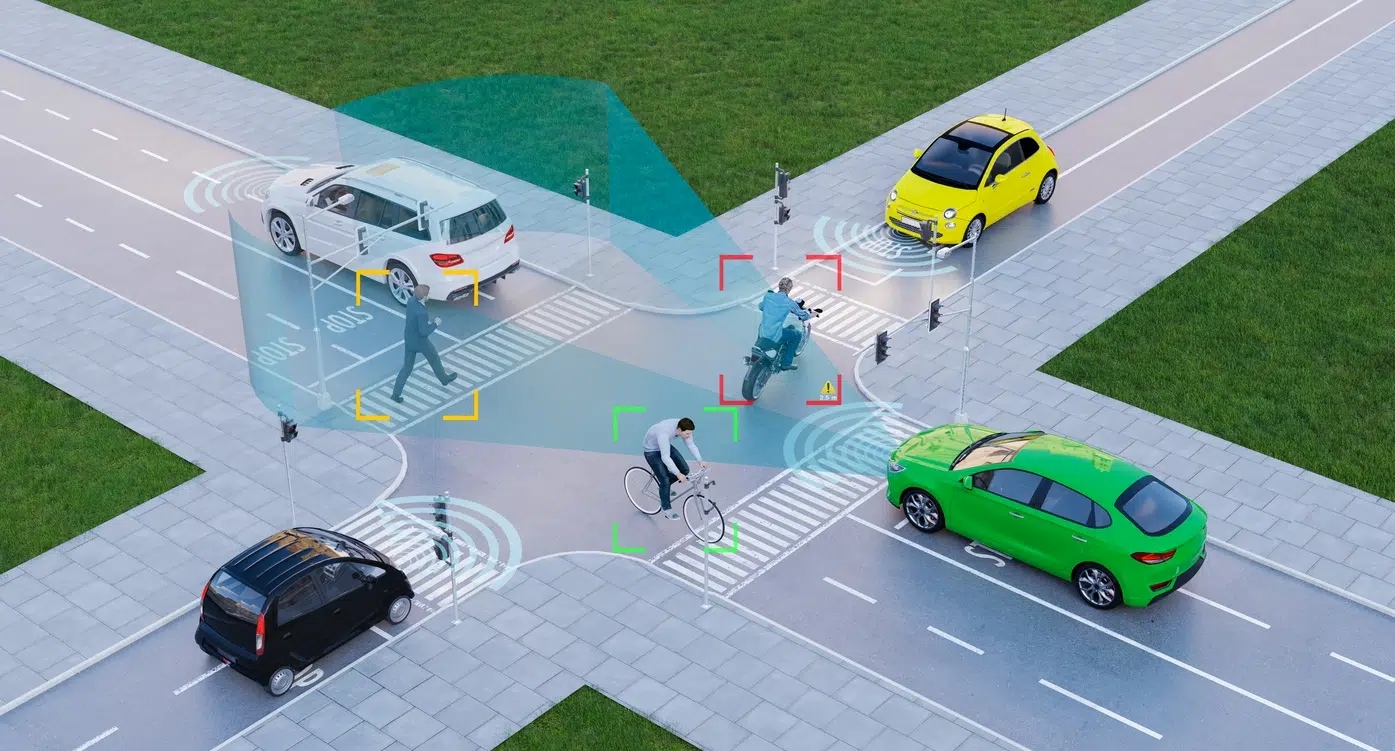
Our AI combines advanced sensors with computer vision and machine learning to identify potential firearms and other dangerous items while dramatically reducing nuisance alarms from everyday belongings. Just as importantly, the platform integrates with hospital security workflows, video systems and incident management, so teams gain genuine situational awareness rather than another isolated alert feed.
Hospitals cannot afford delays, particularly during emergencies or peak visiting hours. Our system streamlines screening by reducing unnecessary stops and nuisance alarms, and by providing security teams with clear, actionable information whenever additional screening is genuinely required. Better security should support patient care, not disrupt it.
Detection at the entrance is only the starting point. AI will increasingly help hospitals identify emerging threats, support incident response, improve investigations, monitor restricted areas, detect unusual behaviour and deliver real-time intelligence to the people who need it.
Over time, this shifts the entire posture of a hospital security team from reactive to proactive, allowing them to intervene before a situation escalates.
Healthcare organisations must balance safety against patient privacy, budgets, existing infrastructure and uninterrupted clinical operations. That is a genuinely difficult equation. In our experience, the deployments that succeed are the ones that integrate naturally into workflows the staff already use, rather than asking everyone to work differently.
Interoperability, ease of deployment, transparent AI and measurable outcomes are what separate long-term success from a pilot that quietly stalls.
Our vision is to help make hospitals among the safest public spaces in our communities. AI enables healthcare organisations to strengthen security while preserving the welcoming environment that patient care depends on.
Ultimately, our mission is to help stop violence before it happens, and to make security more effective, less intrusive and more accessible to every hospital that needs it.









By subscribing, you agree to receive email related to content and products. You unsubscribe at any time.
Copyright 2026, AI Reporter America All rights reserved.