Friday, 02 October 2026

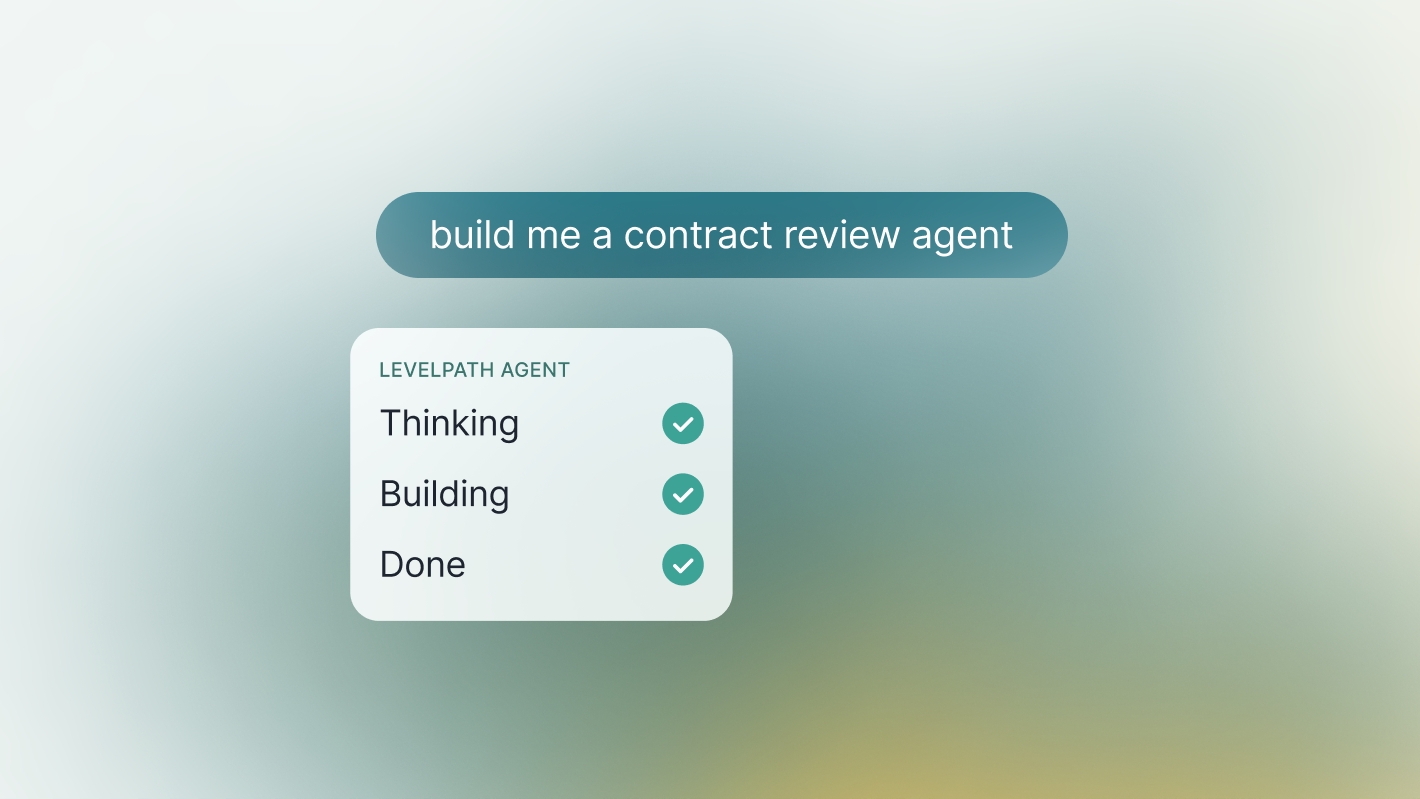
Image source: Public Domain
Levelpath, the leader in autonomous procurement, has announced the launch of Ranger, the first AI platform that can run entire procurement processes autonomously, from a natural language or voice prompt. Ranger represents a new category of autonomous intake-to-pay software, built from the ground-up to perform the day-to-day work rather than just record it.
Procurement leaders are under pressure to bring more spend under management, minimize supplier risk, and deliver value without expanding their teams. AI assistants and agents have promised to help by speeding up much of the routine work. But in reality they offer limited functionality, are reactive and hard to customize, and can’t handle entire processes from end-to-end.
With Ranger, by contrast, agents run complete processes, proactively and continuously. Procurement teams can launch custom agents with a single prompt, and confidently delegate workflows knowing the agents have the full context, governance controls, and auditability to act as their trusted representatives.
Levelpath’s new platform includes:
“The future of procurement is autonomous,” said Alex Yakubovich, co-founder and CEO of Levelpath. “Procurement professionals are experts in structuring complex deals, navigating sensitive decisions, and maximizing supplier value. We’ve talked to dozens of procurement leaders who know that autonomous intake-to-pay can free them up to do more of that high-impact work, but they haven’t found a platform that makes it a reality. That’s why we made the decision to build Ranger.”
Jaime Robles, Chief Procurement Officer at Ingersoll Rand, is combining AI-native platforms, internally built agents, and rigorous value measurement to change how procurement work gets done.
“I believe the next procurement model is a continuously sensing, learning, increasingly agentic system that moves from insight to execution without requiring a person to restart the process at every step,” said Robles. “The end state is a procurement operating system in which people and agents each do the work they are best equipped to do. Category leaders should set strategy, define negotiation boundaries, manage relationships, challenge specifications, and decide when to take risks. Agents can handle preparation, analysis, drafting, monitoring, routing, and repeatable execution. Many organizations are adding copilots, summarization, and chat interfaces to existing processes. Those tools are useful, but I do not confuse them with transformation. Levelpath has taken it to the next level and is clearly committed to partnering with procurement leaders on their transformation journey.”
Autonomy in action
Ranger stands out because of the ease with which procurement teams can set up nuanced autonomous workflows. For example:
Benefits every stakeholder
Ranger saves time and adds value for each stakeholder in the procurement process.
Full governance and audit-readiness
Ranger’s AI agents are all fully customizable and able to be turned on or off at any step.
Agents always act with the context of the organization, from its policies, playbooks, and approval thresholds, to tone, and values. Each one is tested against versioned evaluation scenarios before any change ships, graded on real production conversations, and held to limits it cannot argue its way past. An agent can be given strict authorizations, for example an approval agent can approve, but structurally cannot reject, so every rejection reaches a human. Every action is audit-ready, so an auditor can tell an automatic approval from a human one. Built-in controls ensure agents never act on stale facts or incomplete information.
Ranger Academy helps procurement organizations transform
To support procurement teams as they transition to autonomous procurement, Levelpath is also announcing the launch of Ranger Academy, a series of free in-person workshops. Sessions kicked off in September and will continue in November to train procurement professionals to become Agent Operations Managers: the role that sets the policies, tunes the agents, and owns the result.